
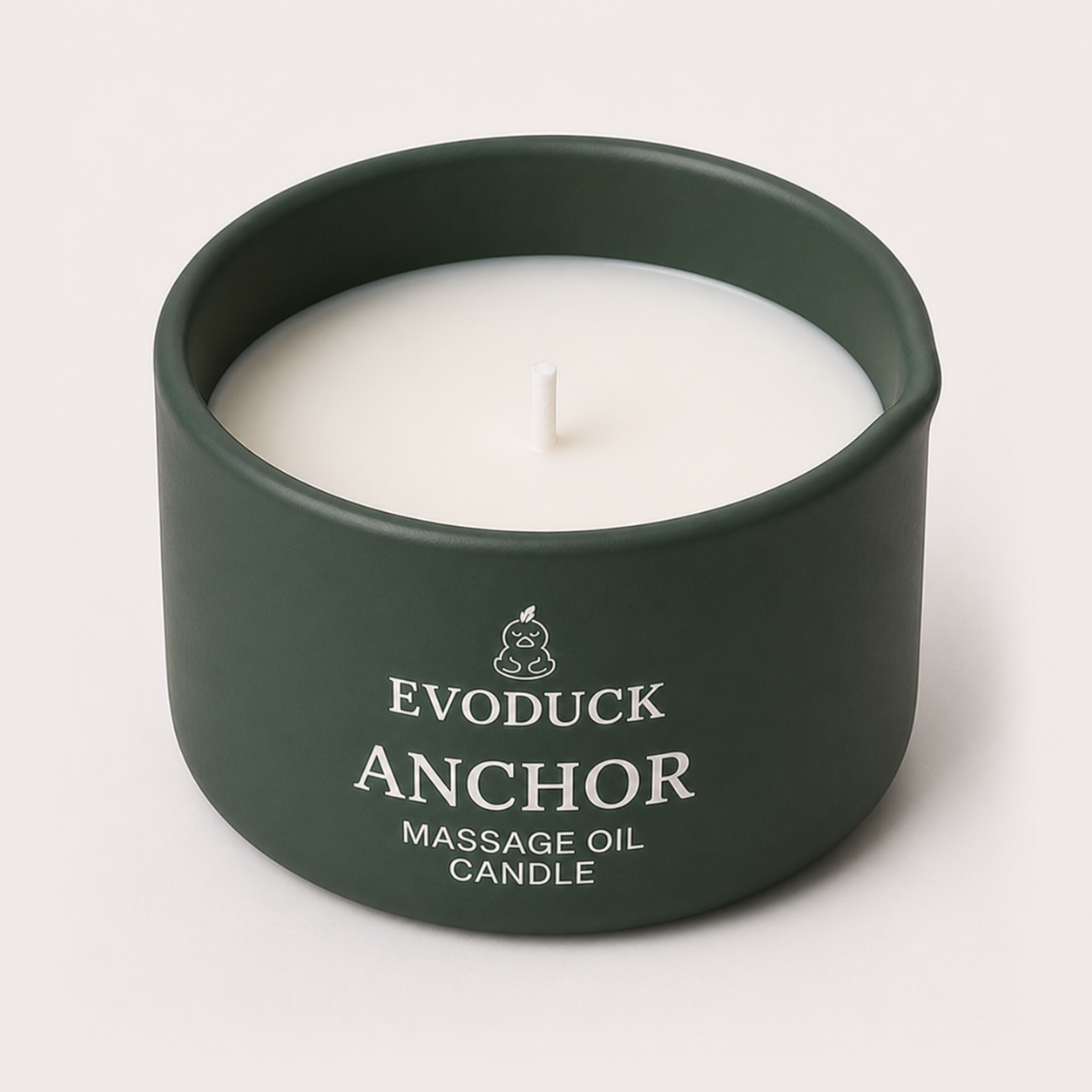
A useful product page should help you identify what you are choosing and separate scent language from product facts. This checklist explains how to read that information without inventing anything the page does not say or treating an unreleased support route as available.
It is a category-level buying guide, not an EVODUCK formula, ingredient declaration, label, use guide, safety result, package record, or physical-product inspection.
Read the exact listing for what it says, leave unanswered facts unanswered, and never turn scent notes or imagery into product facts.
1. Confirm the exact product identity
Start with the selected item rather than the category. Check:
- the product and Format name;
- the selected Mood or variant;
- the stated intended use;
- the size or net contents;
- the price and quantity shown in the cart.
The U.S. Food and Drug Administration explains that intended use can be established through labeling, advertising, online claims, consumer perception, and other evidence. Intended use can also affect how a product is regulated. See FDA's intended-use explanation.
A Mood name, vessel shape, scent description, or lifestyle image cannot define intended use by itself. If the product title, selected variant, cart, and checkout disagree, pause and ask the seller which item is current.
2. Keep scent descriptions separate from ingredients
Scent notes describe a customer-facing olfactory direction. They are not an ingredient list and should not be translated into one.
When a listing or package provides ingredient information, make sure it belongs to the exact product you are considering. A short list of highlighted materials, a supplier story, or a note pyramid is different from a finished-product declaration.
FDA's Cosmetic Ingredient Names and cosmetic-labeling summary explain the general U.S. framework. This article does not apply those sources as a claim about an EVODUCK formula or label.
If a particular ingredient matters to you and the exact listing does not answer the question, do not purchase on an assumption. Use a support route only if it is visibly released on the live store; do not infer an answer from a Mood name, another SKU, another brand, or an AI image.
3. Do not turn an editorial article into directions
An article can explain how to evaluate information, but it cannot tell you how to use an unidentified finished product. Follow only the information supplied for the exact item you receive.
This guide intentionally gives no temperature, timing, pouring, application, body-contact, or at-home testing sequence. It also does not assert that EVODUCK has provided an ingredient panel, product-specific direction, warning, or safety test that is not in the current evidence.
If you need an answer that the exact product information does not provide, do not borrow a routine from social media, a Room candle, or another Massage Oil Candle. Treat the question as unanswered and decide from the live product information rather than inventing a routine.
4. Check whether a support route is actually released
A buyer should be able to identify the business behind the product. A support route counts only when it is visibly released on the live store; a draft page, hidden form, or editorial mention does not make it available.
Useful checks include:
- the business name shown by the store;
- a working contact or support page;
- the order details needed when asking for help;
- a clear route for reporting damage, a wrong item, or inconsistent information;
- current shipping and return terms for the order.
A social account is not a substitute for a released support route. If no route is visibly released, treat a material question as unanswered and do not proceed on an assumption. Read only the FAQ and Policies that are visibly available on the live store.
5. Read AI media for what it is
An AI Product Visual / 产品效果图 can help identify a Mood, Format, color direction, and design intent. It is not physical-product photography and cannot prove:
- a formula or ingredient declaration;
- a physical smell or scent strength;
- fired glaze color or batch consistency;
- directions, warnings, or safety;
- packaging or exactly what a received unit will look like.
The useful question is not whether an image is attractive. It is whether its media type is disclosed and whether you are keeping visual direction separate from physical evidence.
6. Compare facts across the purchase path
Review the selected product, cart, checkout, confirmation, and received item as separate points in one purchase.
Check for consistency in product name, Mood, Format, size, price, quantity, and intended use. If a material detail changes, keep the item unused while you ask the seller which information governs the item you received.
This comparison does not require you to reconstruct missing product facts. Its purpose is to catch a mismatch in the information that is actually presented.
7. Separate marketing language from accountable claims
Words such as "premium," "clean," "gentle," "natural," or "ritual" need context. They should not be treated as a formula, safety conclusion, therapeutic result, or universal suitability statement.
Likewise, a founder story, customer quote, scent note, or visual does not prove a medical, sleep, stress, recovery, or body-function outcome. Product claims should stay within the intended use actually stated by the seller.
A practical pre-purchase checklist
- Identity: I can identify the exact product, Mood, Format, size, price, and quantity.
- Purpose: I understand the intended use stated for this item.
- Scent: I am treating scent notes as a description direction, not ingredients or physical-smell proof.
- Information: I have read the product information that is actually presented without filling gaps from another source.
- Visuals: I can distinguish an AI Product Visual from physical-product photography.
- Support: If a material question remains, a support route is visibly released; otherwise I will not proceed on an assumption.
- Consistency: The product page, cart, and checkout describe the same selection.
Frequently asked questions
Does a scent identity tell me what ingredients are in the product?
No. A scent identity is customer-facing olfactory language, not a formula, INCI list, or ingredient declaration.
Can an AI Product Visual verify the product or package?
No. It can communicate the approved visual direction when disclosed, but it is not a photograph, fired sample, package record, or physical-unit inspection.
Does this article tell me how to use an EVODUCK Body candle?
No. It is a buying-information checklist and provides no product-specific use sequence or safety conclusion.
What should I do if an important question is not answered?
Use a support route only if it is visibly released on the live store. If none is released, treat the question as unanswered and do not assemble an answer from another SKU, a generic article, or a different brand.
Choose from what is actually presented
A clear decision starts with the exact product identity and the information the current purchase path actually shows. Browse For the Body to compare the EVODUCK Body directions, and keep scent copy and disclosed AI visuals within their stated evidence boundary.